High-Reach Access Logistics in Irving, TX
Specialized planning for difficult-access structures.
Technical
Specifications.
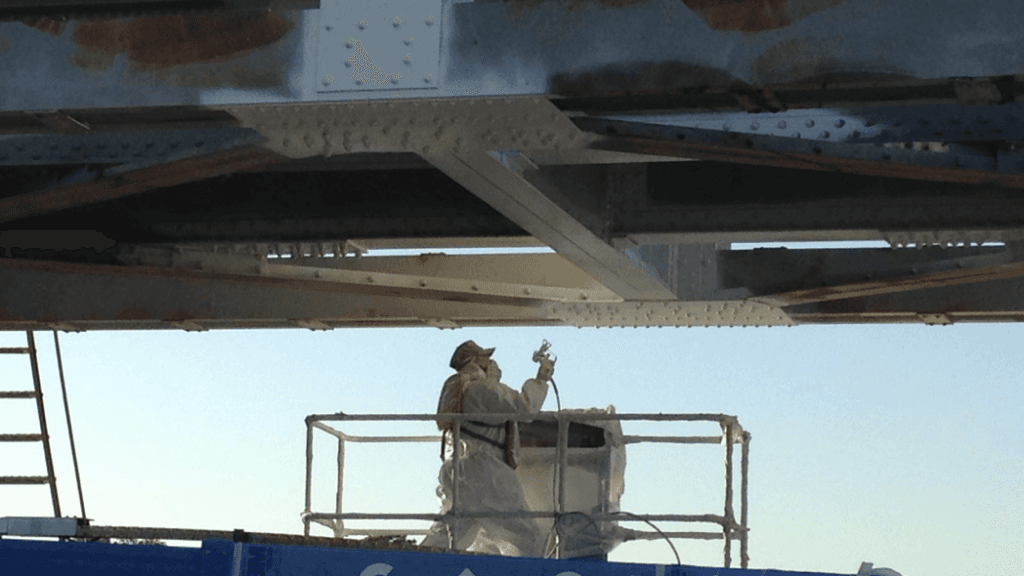
Commercial Painting Contractors Irving provides expert high-reach access planning and logistics coordination for coating projects involving difficult-access structures including high-rise buildings, bridge infrastructure, tanks and silos, industrial process equipment, and architectural elements requiring specialized access solutions throughout Irving and the Dallas-Fort Worth area. Our access planning specialists deliver comprehensive evaluation of access requirements, equipment selection, safety protocol development, and logistics coordination ensuring safe, efficient coating of challenging structures. We understand that access represents significant project cost and safety concern—improper access planning causes delays, cost overruns, and serious safety incidents. Serving owners of tall buildings, industrial facilities with difficult equipment access, infrastructure assets, and unique architectural structures, we provide expert planning enabling successful completion of complex high-reach coating projects.
Comprehensive access requirement assessment
Boom lift and scissor lift equipment specification
Swing stage and suspended platform planning
Scaffolding system design and engineering
Rope access technique evaluation for extreme heights
Fall protection and safety protocol development
Site logistics and equipment placement planning
Regulatory compliance and permitting coordination
Irving
Context.
Based in Irving, we serve the high-reach coating requirements throughout Las Colinas high-rise developments, industrial facilities with challenging equipment access, utility infrastructure, bridge structures, and architectural buildings throughout the greater Irving area requiring specialized access solutions. Our planning draws on extensive experience with challenging Irving projects understanding local permitting, access constraints, and available equipment resources supporting realistic planning and successful project execution.
Specify Your Project
Strategic
Advantages.
Enhanced safety through comprehensive access planning and fall protection
Optimized project costs via appropriate equipment selection avoiding over-specification
Prevented delays from access-related complications and inadequate planning
Regulatory compliance meeting OSHA and local requirements for high-reach work
Enabled previously infeasible projects through creative access solutions
Reduced liability exposure with documented safety protocols and planning
Supported successful project bidding with realistic access cost estimates
Our Proven
Process.
Site assessment documenting structure configuration and access challenges
Access method evaluation comparing equipment options and costs
Safety requirement analysis and fall protection protocol development
Equipment specification with detailed logistics and placement planning
Regulatory research and permitting requirement identification
Cost estimate development for access equipment and implementation
Project coordination plan outlining access sequence and safety procedures
Frequently Asked
Questions.
What access methods are available for high-rise coating projects?
Options include boom lifts for moderate heights to 150+ feet, swing stages providing repeatable access to building faces, suspended platforms for specific work areas, scaffolding for comprehensive access with material storage capability, rope access for extreme heights or limited ground access, and specialty equipment like spiders or mast climbers for unique applications. Selection depends on building height, work scope, ground access, budget, and timeline. We evaluate trade-offs recommending optimal access approaches for specific project conditions.
How do you ensure safety on high-reach coating projects?
Safety is paramount. Protocols include comprehensive fall protection systems meeting OSHA requirements, operator certification for all elevated equipment, rescue plans and trained personnel, daily safety briefings and hazard identification, ground-level protection preventing struck-by incidents, wind speed monitoring suspending work when unsafe, equipment inspection and maintenance verification, and safety documentation for regulatory compliance. Our safety record reflects systematic protocols and trained personnel never compromising safety for schedule or cost pressures.
Can rope access provide cost-effective alternative to scaffolding?
For some applications, yes. Rope access excels at extreme heights where scaffolding is prohibitively expensive, limited ground space preventing equipment placement, occupied buildings where access disruption must minimize, quick-mobilization projects where scaffolding lead time is excessive, and architectural features with complex geometry. Rope access requires certified SPRAT or IRATA technicians. Costs are often 30-60% less than scaffolding for tall buildings. However, material handling and production rates may be slower. We compare approaches recommending cost-effective access methods.
How do you plan access for occupied buildings?
Occupied building access requires special consideration including window access coordination with tenants, ground-level safety zones protecting pedestrians and vehicles, noise restrictions limiting work hours, building operations coordination for equipment placement, parking and staging area logistics, and tenant communication minimizing complaints. Planning addresses all stakeholder impacts ensuring coating proceeds without unacceptable disruption. Our experience with occupied Las Colinas buildings enables realistic planning and successful coordination.
What permitting is typically required for high-reach access equipment?
Requirements vary by jurisdiction and equipment. Common needs include crane permits for equipment placement, street closure or lane closure permits for ground operations, sidewalk or right-of-way permits for public areas, building permits for scaffolding attachment, and special permits for suspension systems. We research applicable requirements early in planning process coordinating permit applications preventing project delays. Irving and surrounding municipal requirements are incorporated in our access planning ensuring regulatory compliance.
Project Lifecycle
Typical deployment timeline for Irving facilities.
Evaluation
Day 1-2Substrate analysis and detailed specification development.
Mobilization
Day 3-5Site protection, equipment setup, and material procurement.
Execution
VariesMulti-layered coating application with phased deployment.
Validation
Final DayQuality audit, walk-through, and site demobilization.
Evaluate
Your Asset.
Whether you possess a single corporate unit or an entire industrial complex, our professional team is prepared to develop your project specifications.