Liquid Applied Roof Coatings in Irving, TX
Reflective and protective systems for flat roofs.
Technical
Specifications.
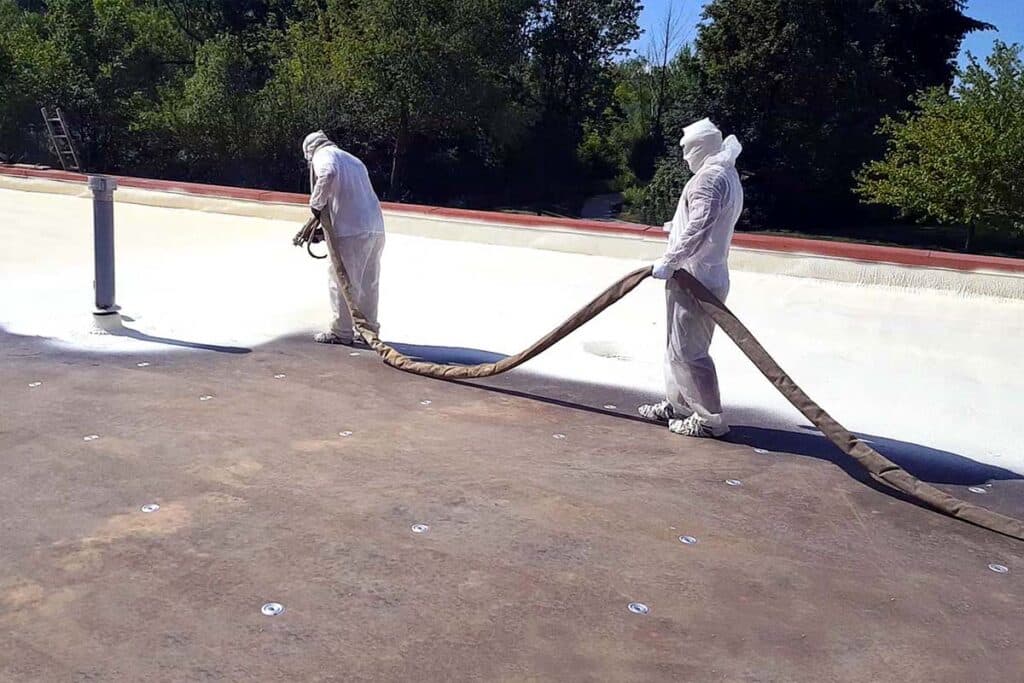
Commercial Painting Contractors Irving provides advanced liquid applied roof coating systems that restore, protect, and enhance commercial flat roofs throughout Irving and the Dallas-Fort Worth metroplex. Our roof coating specialists deliver high-solid acrylic, silicone, and urethane systems engineered to seal leaks, reflect solar heat, and extend roof lifespan on built-up roofs (BUR), modified bitumen, single-ply membranes, metal roofs, and spray polyurethane foam systems. We understand that roof coating represents cost-effective alternative to complete roof replacement—extending serviceable life 10-20 years at 20-40% of replacement cost while delivering immediate energy savings through reflective properties reducing cooling loads. Serving Irving's commercial building owners, property managers, and facility directors seeking sustainable roof maintenance solutions, we deliver systematic roof restoration that protects building envelopes, reduces energy consumption, and defers capital-intensive roof replacement.
Reflective acrylic and silicone roof coating systems
Leak detection and moisture survey with infrared technology
Substrate repair including seam reinforcement and penetration sealing
Energy-efficient cool roof systems reducing HVAC loads
Multi-layer application achieving specified dry film thickness
Warranty-backed systems from leading manufacturers
Minimal disruption to building operations
Compliance with energy codes and LEED requirements
Irving
Context.
Based in Irving, we serve the extensive commercial flat roof inventory throughout Las Colinas office parks, retail centers and big-box stores along major corridors, industrial warehouses and distribution facilities, and multi-family properties throughout Irving's expanding development. Our teams understand the roof coating challenges specific to North Texas including extreme UV exposure, temperature cycling from 100°F summers to occasional winter freezes, and the thermal stress that accelerates conventional roof deterioration—delivering reflective coating systems that address these regional factors.
Specify Your Project
Strategic
Advantages.
Extended roof lifespan by 10-20 years deferring expensive replacement
Reduced cooling costs through reflective systems lowering surface temperatures 30-50°F
Sealed leaks preventing interior water damage and business disruption
Improved building envelope performance enhancing energy efficiency
Sustainable maintenance approach reducing construction waste from roof replacement
Immediate ROI through energy savings often recovering coating cost within 3-5 years
Maintained property value avoiding deferred maintenance and leak damage
Our Proven
Process.
Comprehensive roof assessment including moisture survey with infrared scanning
Leak investigation and substrate condition evaluation
Roof cleaning via power washing removing dirt, debris, and biological growth
Substrate repairs including seam reinforcement, penetration sealing, and patch work
Primer application on challenging substrates ensuring proper coating adhesion
Multi-coat system application achieving manufacturer-specified dry film thickness
Quality verification and warranty documentation from coating manufacturer
Frequently Asked
Questions.
What types of commercial roofs can be coated?
Most commercial low-slope roofs are candidates for coating including modified bitumen, built-up roofs (BUR), EPDM and TPO single-ply membranes, spray polyurethane foam (SPF), concrete roof decks, and metal roofing systems. Each substrate requires compatible coating—silicone for ponding water areas, acrylic for standard applications, urethane for high-traffic roof areas. We assess roof type, condition, and service requirements recommending appropriate systems. Severely deteriorated roofs with extensive damage may require replacement rather than coating.
How much energy savings can reflective roof coatings provide?
Reflective roof coatings reduce surface temperatures by 30-50°F compared to dark aged roofs. This translates to measurable cooling energy reductions—typically 10-25% of building cooling costs depending on roof area relative to building volume, HVAC efficiency, insulation levels, and climate. For Irving's hot climate with long cooling seasons, many building owners report 3-5 year payback on coating investment through energy savings alone. Department of Energy studies document average 20% cooling cost reductions from cool roof implementation.
How long do liquid applied roof coatings last?
Properly applied roof coating systems typically last 10-15 years before requiring maintenance recoating. High-quality silicone systems can exceed 15 years. Lifespan depends on coating type, application thickness, roof substrate condition, exposure levels, and maintenance. Many manufacturers offer 10-15 year warranties when systems are applied per specifications. Periodic inspection every 3-5 years identifies minor issues allowing cost-effective touch-ups extending overall system life beyond initial warranty period.
Can roof coatings seal existing leaks?
Yes, roof coating application includes comprehensive leak repair. We locate leaks using water testing or infrared moisture surveys, repair underlying substrate damage including seam failures and penetration issues, reinforce vulnerable areas with fabric reinforcement, and apply coating systems sealing the entire roof membrane. However, coating alone doesn't repair structural deck damage or severely deteriorated substrates—these issues must be addressed before coating. Our assessment identifies whether coating provides complete solution or if additional repairs are necessary.
How do you handle roof penetrations and equipment?
Roof penetrations (vents, pipes, HVAC equipment, etc.) require detailed attention. We clean and prepare all penetration flashings, apply primer to metal flashings ensuring coating adhesion, embed fabric reinforcement at base of penetrations providing extra protection, and carefully detail coating around equipment and protrusions. Proper penetration detailing is critical—most roof leaks occur at these vulnerable transitions. Our systematic approach ensures comprehensive waterproofing around all roof elements.
Can roof coatings qualify for LEED credits or energy incentives?
Yes, cool roof coatings contribute to LEED certification earning points under Energy & Atmosphere and Materials & Resources categories. High solar reflectance values (SRI) qualify for ENERGY STAR Cool Roof designation. Some utility companies offer rebates for cool roof implementation reducing peak electrical demand. We provide required documentation including product data sheets, SRI values, and application records supporting LEED submissions or incentive applications. Many Irving building owners pursue these programs offsetting coating costs.
Do roof coatings interfere with building operations during application?
Minimal disruption is standard. Most coating work occurs on roof without building interior access. Odors from some coating systems may be noticeable during application—we coordinate with facility managers for optimal timing and ventilation. Single-ply roofs and metal systems typically show minimal odor. Modified bitumen and BUR substrates requiring primers may have stronger temporary odor managed through scheduling and HVAC coordination. Work proceeds during normal hours unless client requests after-hours application minimizing any operational impact.
Project Lifecycle
Typical deployment timeline for Irving facilities.
Evaluation
Day 1-2Substrate analysis and detailed specification development.
Mobilization
Day 3-5Site protection, equipment setup, and material procurement.
Execution
VariesMulti-layered coating application with phased deployment.
Validation
Final DayQuality audit, walk-through, and site demobilization.
Evaluate
Your Asset.
Whether you possess a single corporate unit or an entire industrial complex, our professional team is prepared to develop your project specifications.